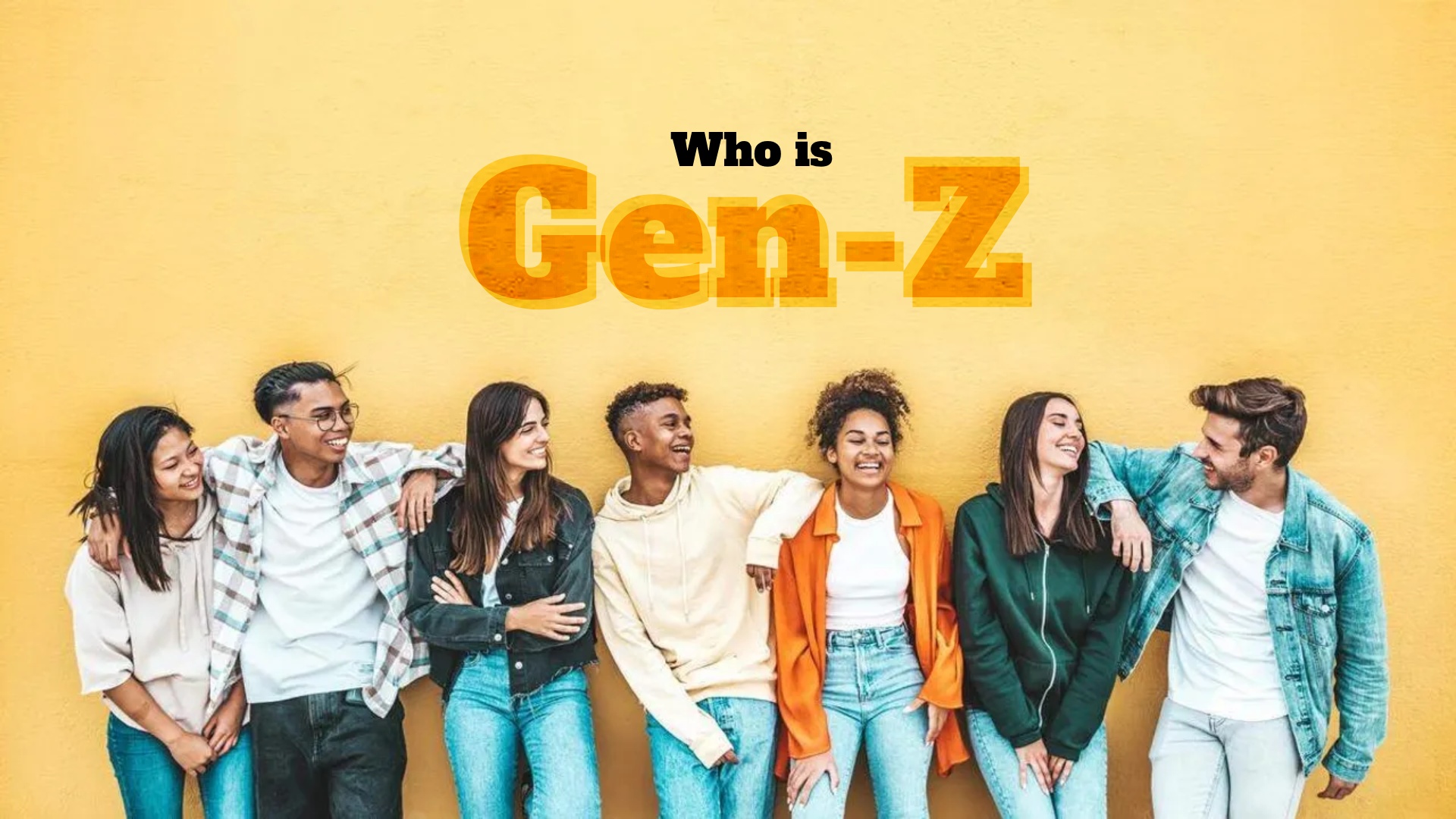
Ever since the 2026 election results dropped, a massive debate has taken over. On one side, people are amazed, saying, "Gen Z (those born between 1997 and 2012) just pulled off a political revolution and brought down the establishment." On the other side, critics dismiss them, claiming, "They voted blindly without actually understanding the consequences."
But here is the real story: this political shift didn’t happen just because of Gen Z’s own votes. The true game-changer is that these first- and second-time voters actually went back home and influenced the older generation.
🛑 The "Older Generation's Bias" vs. Gen Z Reality
Older generations have always had a habit of looking at the youth and complaining, "This generation is completely useless and ruined."
"They only care about 30-second Reels, they believe every piece of fake news on social media, and they have zero political awareness." — This is the standard stereotype built around Gen Z today.
If we want to understand what's really happening, we need to completely unlearn this bias. Only then can we sit down and have a real, productive conversation with them.
💡 What is Gen Z Actually Like? (My Observations)
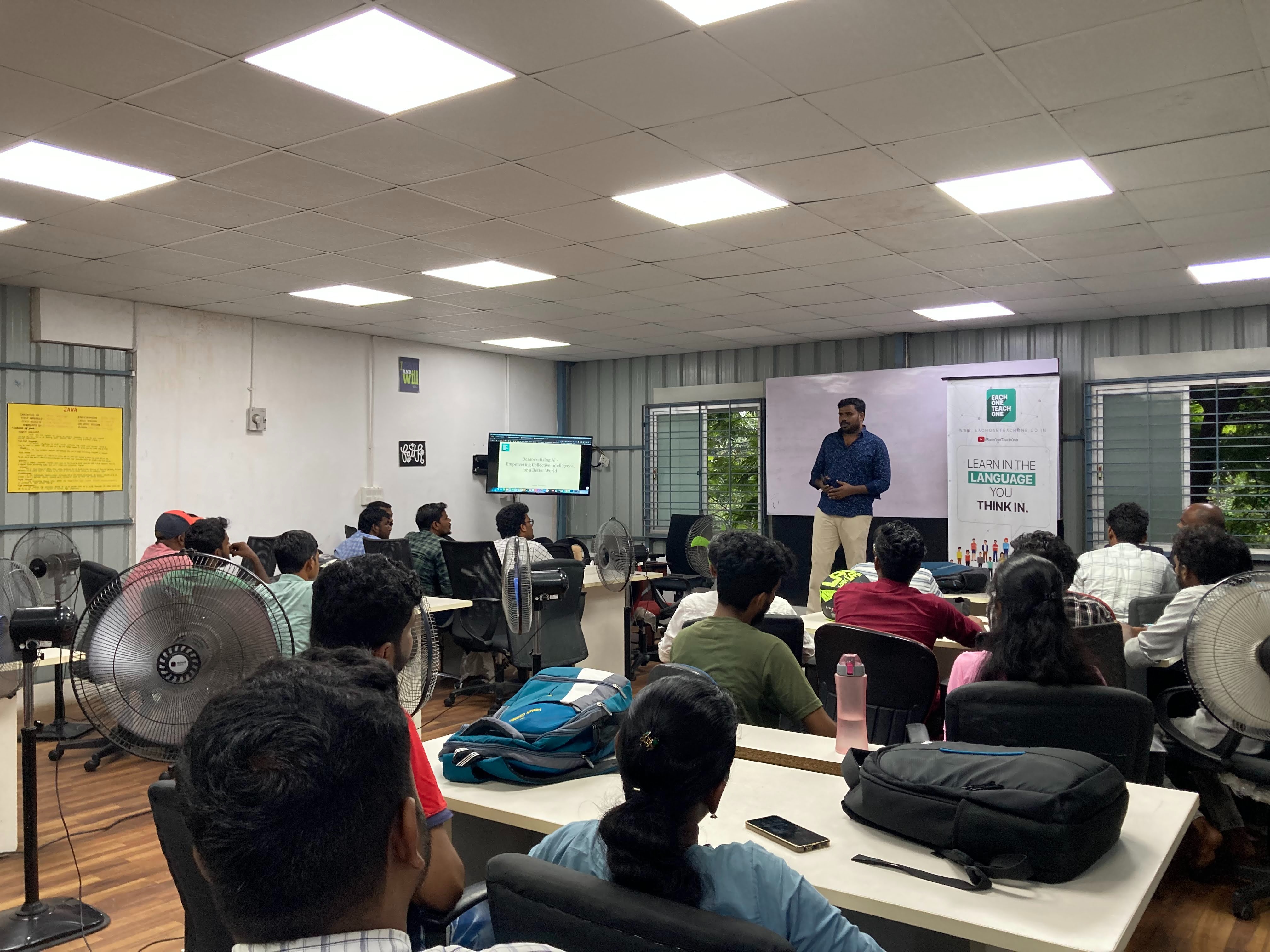
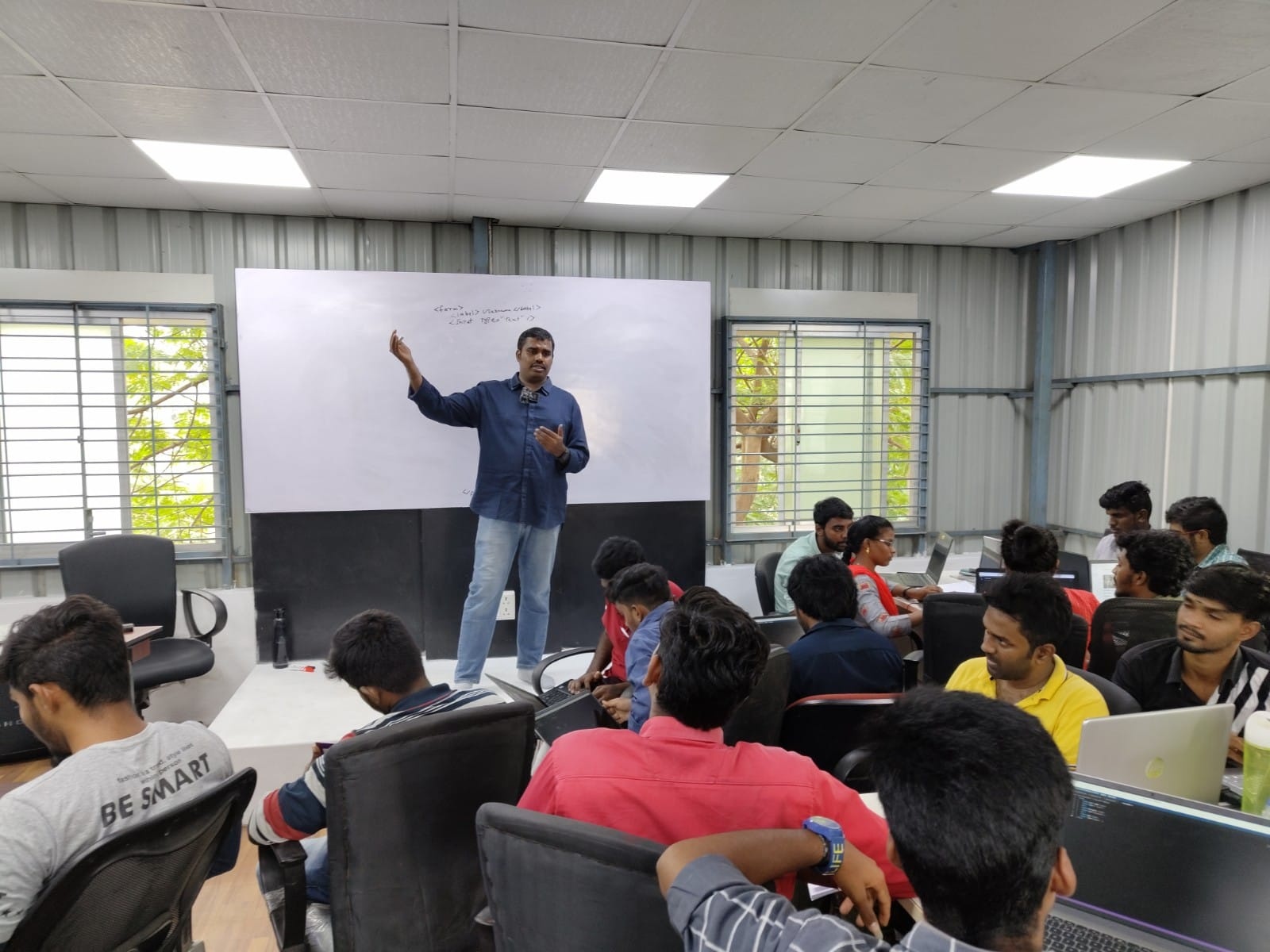
From interacting with college students and teaching online, here is what I have observed about their mindset:
Purpose-Driven: Before doing any task, the very first question they ask is, "Why am I doing this?" If the answer is convincing and has a clear purpose, they will give it their 100%. If you just slap a rule on them and say "Do it because I said so," they will actively resist.
Practical over Theoretical: No matter how complex a subject is, they hate dry theory. They thrive on visual engagement and hands-on, practical learning. (And honestly, that is the right way to learn!).
Radical Transparency: Whether it’s relationships, friendships, politics, or the companies they work for, they demand transparency. The moment they sense a hidden agenda or feel used, they walk away.
They are completely done with old-school traditions and the authoritarian "don't ask questions, just obey" attitude. This is precisely why they are looking for a massive change. 🔀
⚠️ The One Critical Gap: The Loss of Debating Skills
While their intentions are strong, here is where they fall short: they struggle with structured debates. If you ask them to defend or oppose a political ideology, they can usually state one or two points, but they run out of arguments after that. Their depth of learning is limited.
Who is to blame? Our education and political systems. For years, classrooms have been a one-way street: "I talk, you listen." When we never encourage students to voice their opinions, how can we expect them to develop critical thinking? Furthermore, college student unions and campus elections—which used to be a training ground for leadership—have been banned or discouraged.
Yes, they spend hours on Instagram and entertainment, but that is a side-effect of global digitization. We can't ban social media, but we can change how we engage with them.
🤝 Our Responsibility: Breaking the Social Media Bubble 🫧
Many people think that because this youth movement started on social media, the counter-arguments should also be made on social media. That won't work. Social media is a one-way street.
Moreover, platforms operate on "Social Media Bubbles" (algorithms that only show your content to people who already agree with you). Your opposing views will never cross over to their feed, and vice versa.
What we need to do instead:
Start in-person, face-to-face discussions with the Gen Z kids in your families and workplaces.
Our goal should not be to brainwash them into voting for our favorite political party. Our only goal should be to teach them HOW to think, not WHAT to think.
Teach them how to fact-check information, how to spot propaganda, and how to argue logically without logical fallacies.
You don't have to start with heavy politics—you can start by debating the themes and messaging of a recent movie! 🎬
We have shifted from joint families to nuclear families, and now into "nano-families" where individuals live in isolated digital worlds under the same roof. If trader unions and commercial associations can sit together, discuss, and vote collectively for their community's benefit, why shouldn't a family of four sit down and talk through their political choices together?
🔥 The Bottom Line:
"If you do not take an interest in politics, politics will eventually take an interest in your life—and your livelihood."
Let's step up, break our echo chambers, and help build a brilliant, analytical generation that knows how to question power. ✊✨
More Articles