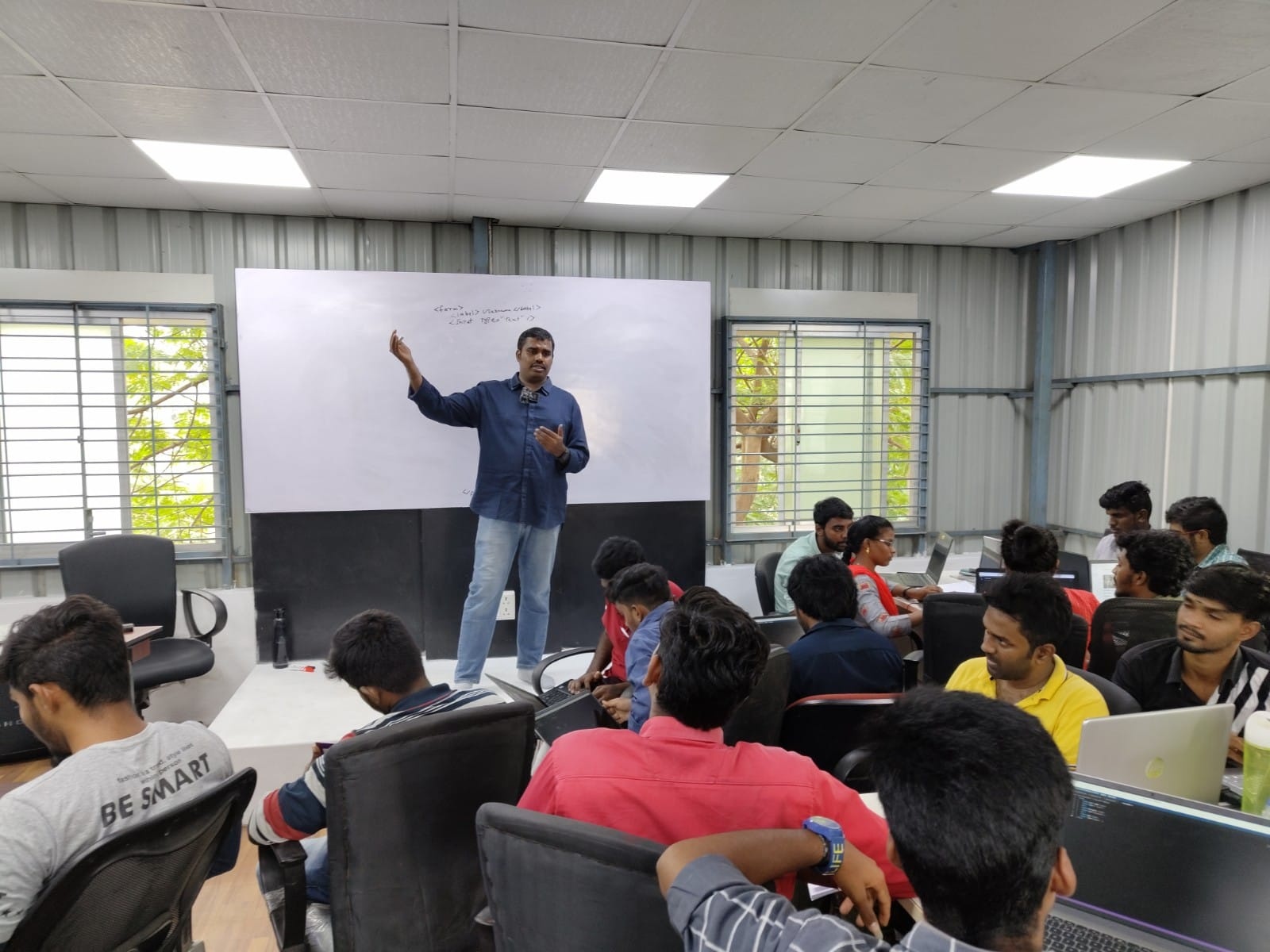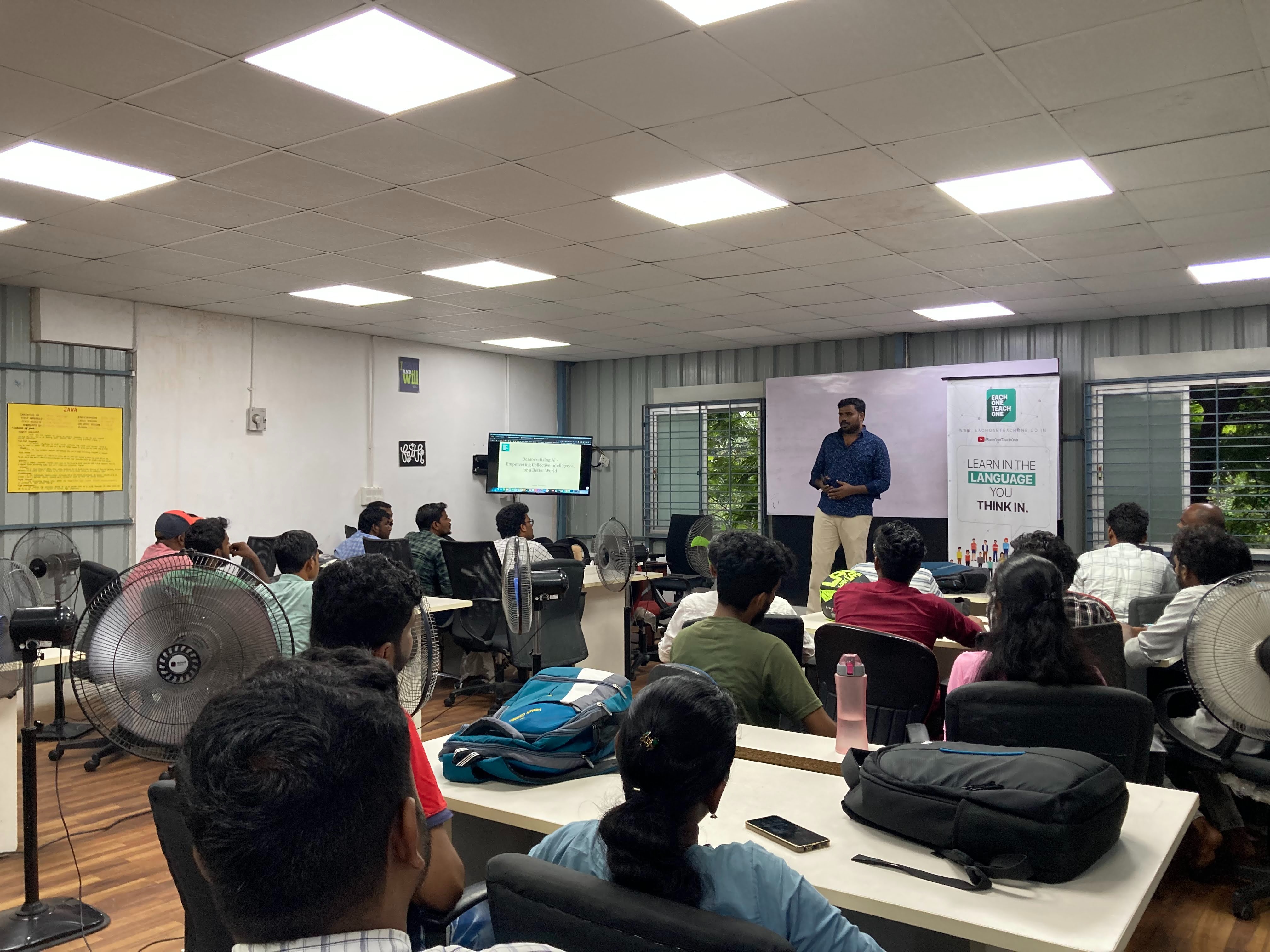
Artificial Intelligence (AI) has become an integral part of our lives, influencing numerous aspects of society, technology, and even our everyday interactions. On this eventful day, an engaging and thought-provoking event titled "AI: The Good, The Bad, and The Funny" took place, captivating the minds of attendees with its diverse agenda and enlightening discussions. This event happened in Chennai Velachery Payilagam software training Institute
As the host and organizer of this AI-centric gathering, I welcomed a diverse audience eager to delve into the vast realm of artificial intelligence. The event aimed to shed light on the multifaceted nature of AI, exploring its positive contributions, potential drawbacks, and even the lighter, more humorous side of this rapidly evolving technology.
With excitement buzzing in the air, I began by setting the stage, providing attendees with an overview of the event's agenda and the timeline they could expect. The objective was to not only educate but also to ignite curiosity, encourage critical thinking, and foster a sense of community among AI enthusiasts and newcomers alike.
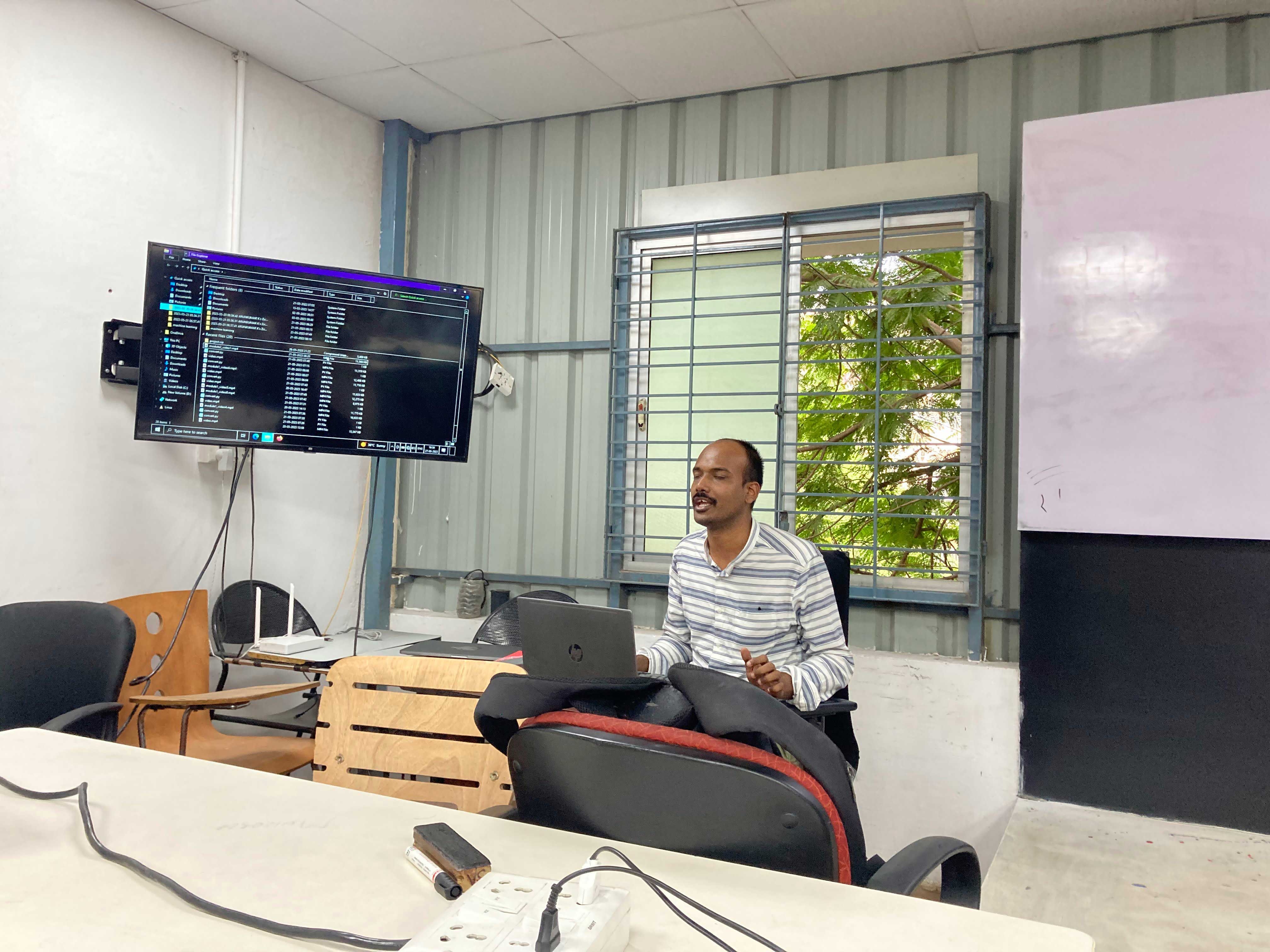
In yesterday's event, the audience was captivated by Arun Kumar, a senior software engineer and machine learning expert who defied all odds and showcased his exceptional knowledge and expertise despite being visually challenged. Arun's enlightening presentation focused on Open Source Hugging Face Models and how to effectively utilize them. Through the use of special software designed to assist him, Arun demonstrated the capabilities of QA (Question-Answering) models and NLP (Natural Language Processing) models from the open-source community. Let's delve into the remarkable journey of Arun Kumar, highlighting his experiences and the significance of accessibility in the tech industry.
Collective Intelligence for a Better World
In the ever-evolving landscape of technology, one phenomenon has emerged as a driving force for innovation and transformation: Artificial Intelligence (AI). On the eventful day of "AI: The Good, The Bad, and The Funny," attendees were treated to a captivating talk on the upcoming advantages and disadvantages of AI technology. The session began with an exploration of the fundamental concepts, including the distinction between models and normal software, followed by a fascinating journey into the realm of large language models and image generative models.
Diving into the intricacies of AI technology, the talk elucidated the nature of models, shedding light on their significance and how they differ from traditional software. Attendees were introduced to the concept of large language models, such as GPT-3, which are designed to process and generate human-like text based on massive amounts of data. Likewise, image generative models, like stable diffusion, were showcased, demonstrating their ability to produce captivating and even amusing visuals.
History of Artificial Intelligence
The journey through the history of AI commenced, with notable figures like John McCarthy and Alan Turing taking center stage. Attendees were enlightened about their groundbreaking contributions and the milestones that have paved the way for the advancements we witness today. From Turing's seminal work on computability to McCarthy's coining of the term "artificial intelligence," these visionaries laid the foundation for the remarkable progress AI has achieved.
As the talk progressed, the discussion shifted to the disadvantages of big companies owning AI models. The audience was presented with an important consideration—the potential security issues arising from concentrated power and control. The centralization of AI models in the hands of a few corporations raised concerns about data privacy, algorithmic biases, and the potential for exploitation. These critical issues sparked engaging conversations, showcasing the audience's active participation and genuine interest.
Why Open Source is important?
Highlighting the significance of open source models, I emphasized the importance of a collaborative approach to AI development. Open source initiatives foster transparency, inclusivity, and innovation by encouraging the community to contribute, review, and improve models collectively. The audience resonated with this message, recognizing the power of open source in mitigating the risks associated with AI and promoting responsible practices.
The interactive nature of the audience throughout the talk underscored their keen interest and curiosity. Questions flowed freely, allowing for in-depth discussions on a range of AI-related topics. Attendees left the session with a deeper understanding of the upcoming advantages and potential pitfalls of AI, armed with knowledge that would undoubtedly shape their perspectives and decision-making in the future.
The "AI: The Good, The Bad, and The Funny" event proved to be a platform for meaningful conversations, inspiring attendees to contemplate the transformative power of AI and its impact on society. As we move forward in this technologically driven era, it is crucial to remain vigilant, advocate for responsible AI practices, and embrace the collaborative spirit of open source models. Together, we can harness the potential of AI for the betterment of humanity while mitigating its associated risks.
Stay tuned for further articles exploring additional themes covered in this remarkable event. We will delve into the ethics of AI, its implications across various industries, and shed light on the cutting-edge research and advancements shaping the future of artificial intelligence. Join us as we continue to uncover the mysteries and marvels of AI, and together, shape a future that harmoniously integrates technology and humanity.
More Articles